Surface with character
Color, texture and reflectivity give a metal component its identity. Develop the material and finish as one product decision.
Discuss a finish ↗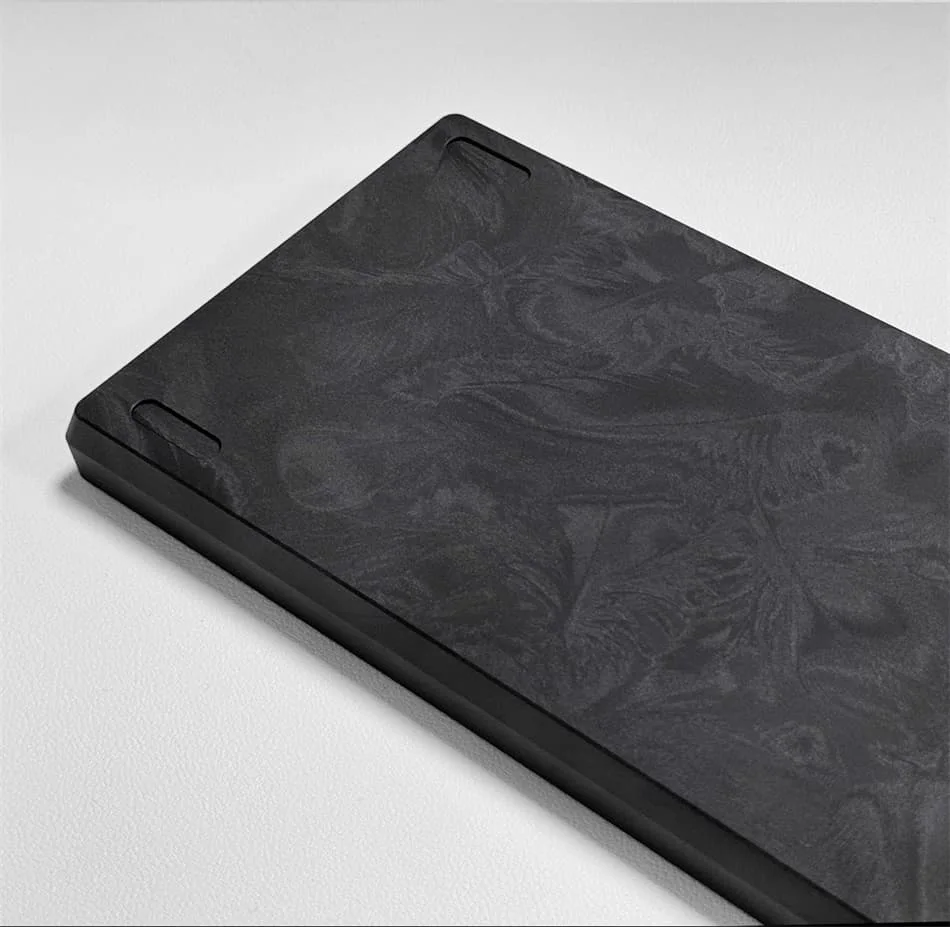
The material sets the direction
Choose around geometry, weight, feel and the desired appearance. The manufacturing route and surface then follow the selected part.
Aluminum
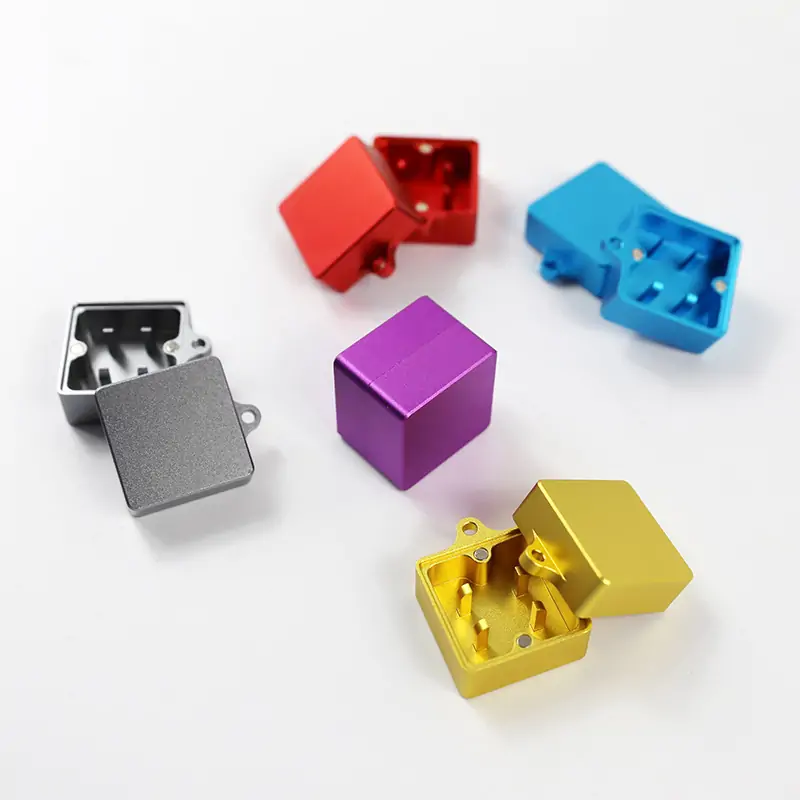
Enclosures, mounting structures and machined tool components, with a broad range of color and texture directions.
ZNAL903 alloy
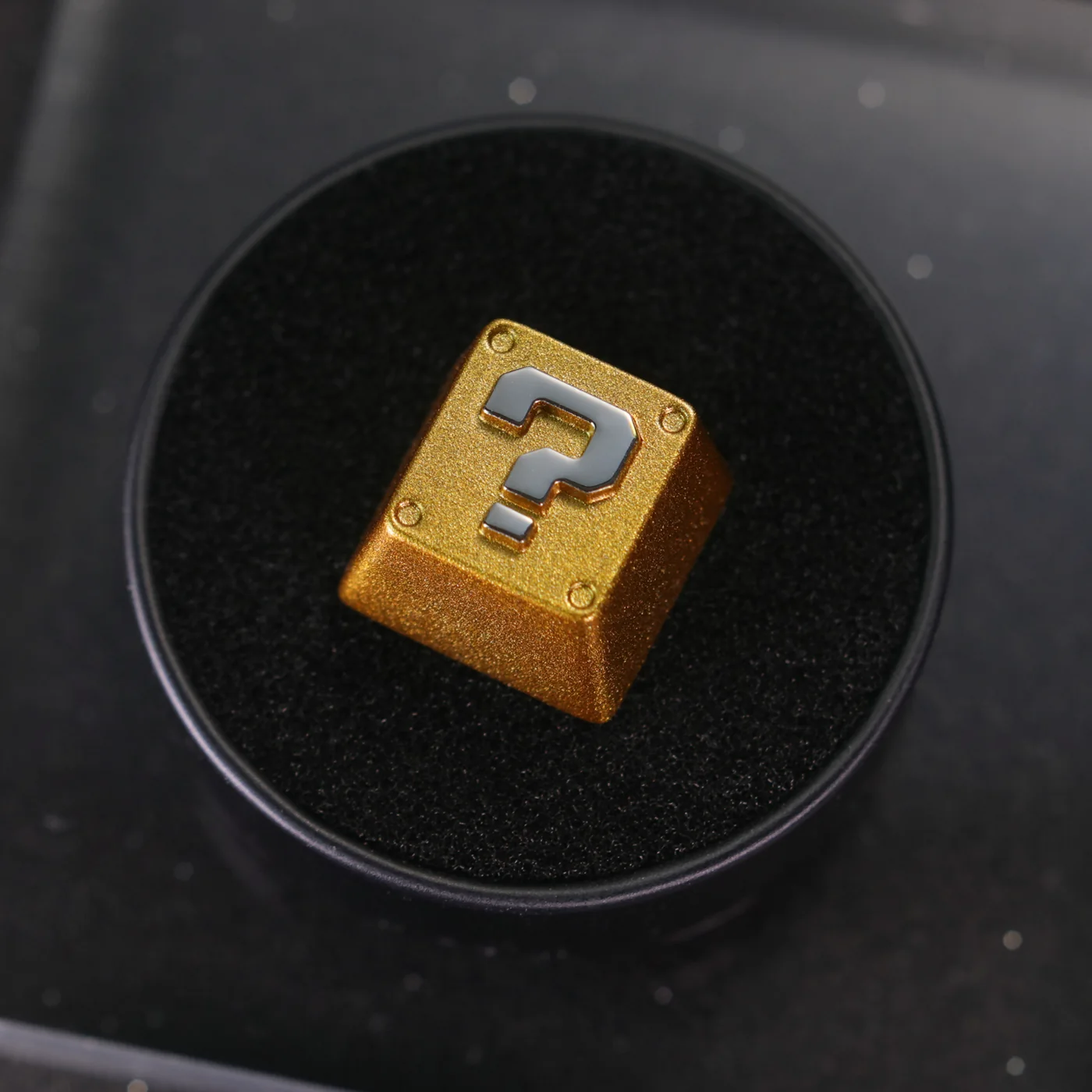
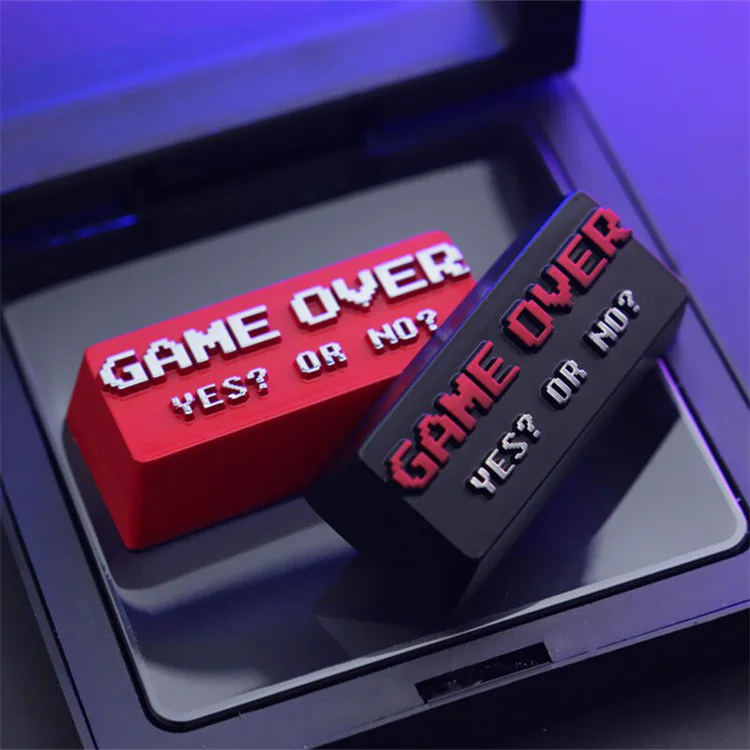
Sculpted keycaps with electroplating, painted accents and selected 1U light-through constructions.
Brass & copper
Weights and decorative metal parts for projects that use material contrast as part of the design.
Choose the surface route
These are project routes. An existing photograph shows a reference product; the selected finish is developed for your own geometry and appearance.
Anodizing
A coordinated color range for aluminum components. Color, texture and visible contact locations are developed with the sample.
Micro-arc oxidation
A ceramic-like surface direction for an aluminum design. Match the desired appearance to the material, geometry and physical reference.
Electrophoretic coating
An even coated appearance, with color, gloss and coating allowance considered around fit-sensitive features.
Mirror & colored PVD
Reflective accents, weights and decorative metal parts. Base preparation, color and cosmetic requirements develop together.
Bead blasting
A matte texture before the selected surface finish. The reference establishes the grain and consistency across visible surfaces.
Powder coating
Textured and ceramic-inspired effects. Surface texture, color and coating allowance follow the chosen part and mating features.
From an idea to a reference
A physical sample brings color, texture and gloss into one decision. Visible edges, recesses and mating features are then reviewed on the actual part.
Engraving, light-transmitting elements and packaging carry the same visual direction into the completed product.
Explore project development ↗See the difference
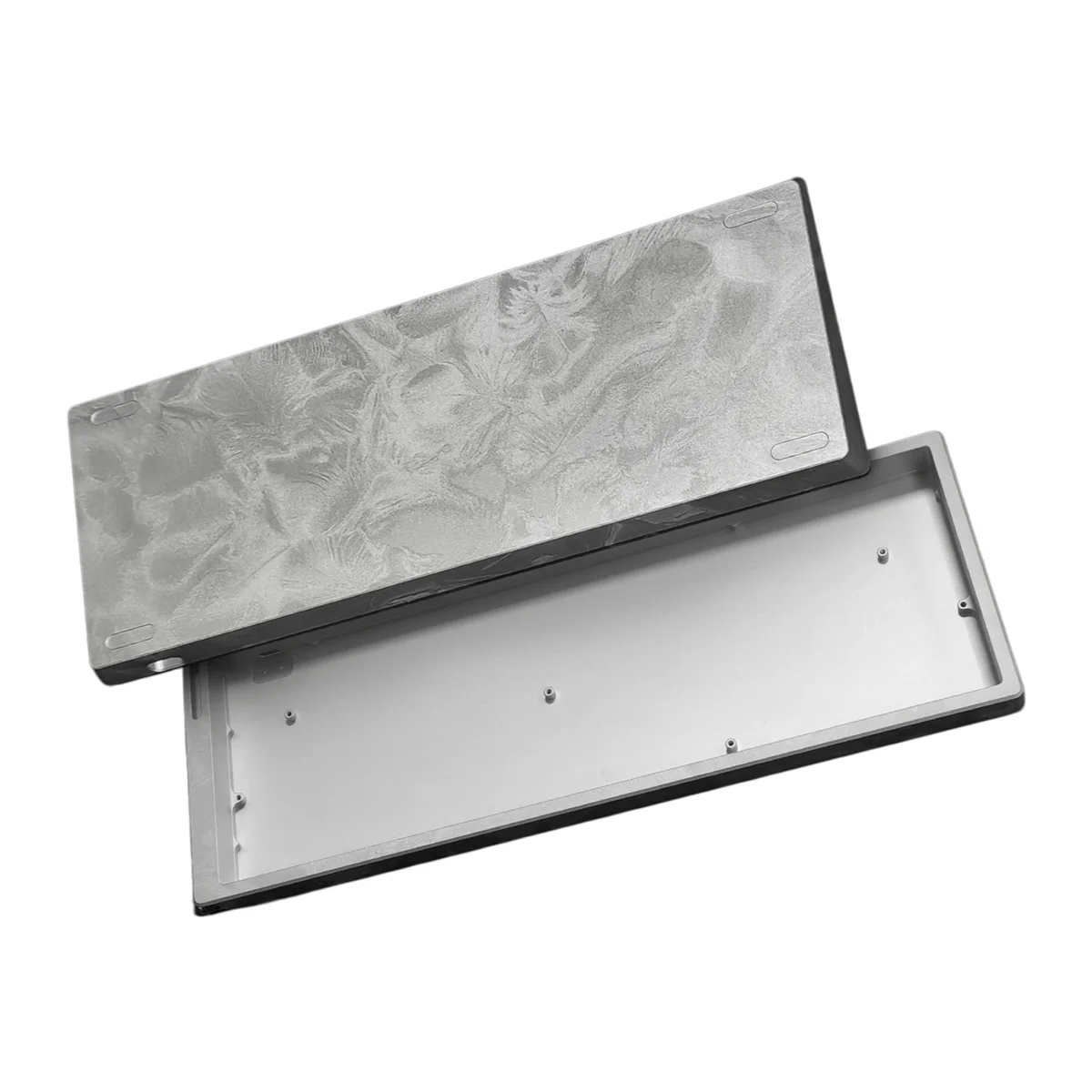
Texture, plated highlights and painted accents create different expressions on real products. Use a physical reference to develop the direction for your own part.
What are you making
Have a product in mind? Share an idea, a reference or a question. We’ll take it from there.