Built around your design

CNC aluminum cases, brass and copper weights, and branded metal parts developed around your PCB, mounting scheme and finish specification.

Find your starting point
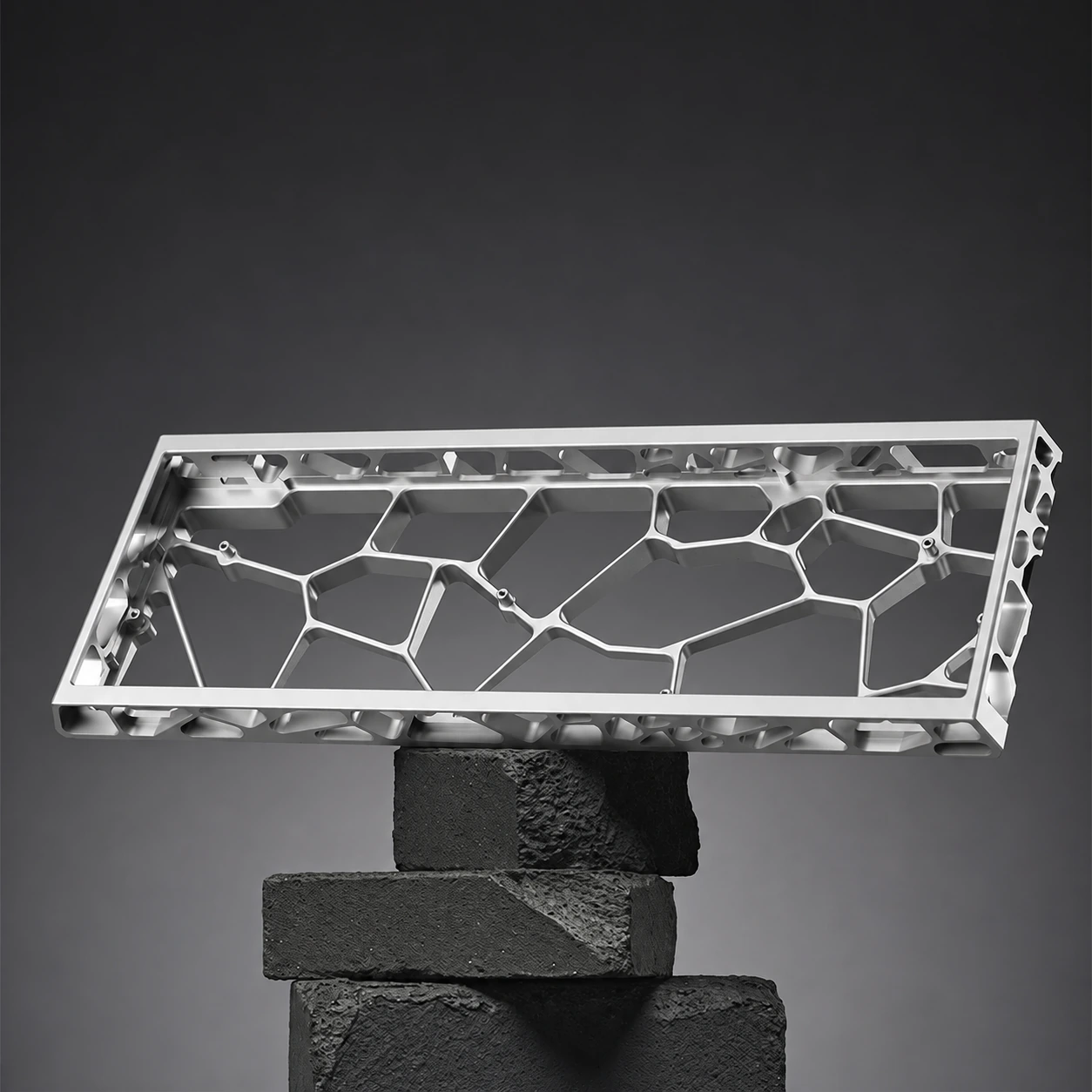
Single silver hollow aluminum keyboard case on dark textured display blocks
Machined case geometry, mounting interfaces and a defined surface finish.

Metal parts or keyboard OEM

Develop a new metal component from a drawing, or build a branded keyboard range around a suitable platform.

Start with the component drawing or keyboard platform. We develop the process, sample and production specification around it.

Metal parts developed from your drawings

  • Datums, mounting interfaces, tool access and feature tolerances
  • Material, surface texture, coating system and finish master
  • Prototypes, design revisions and production release
Discuss this project ↗

Engineer the assembly

Case geometry, mounting fit and coating build affect the same assembly. Resolve their interfaces in the prototype.

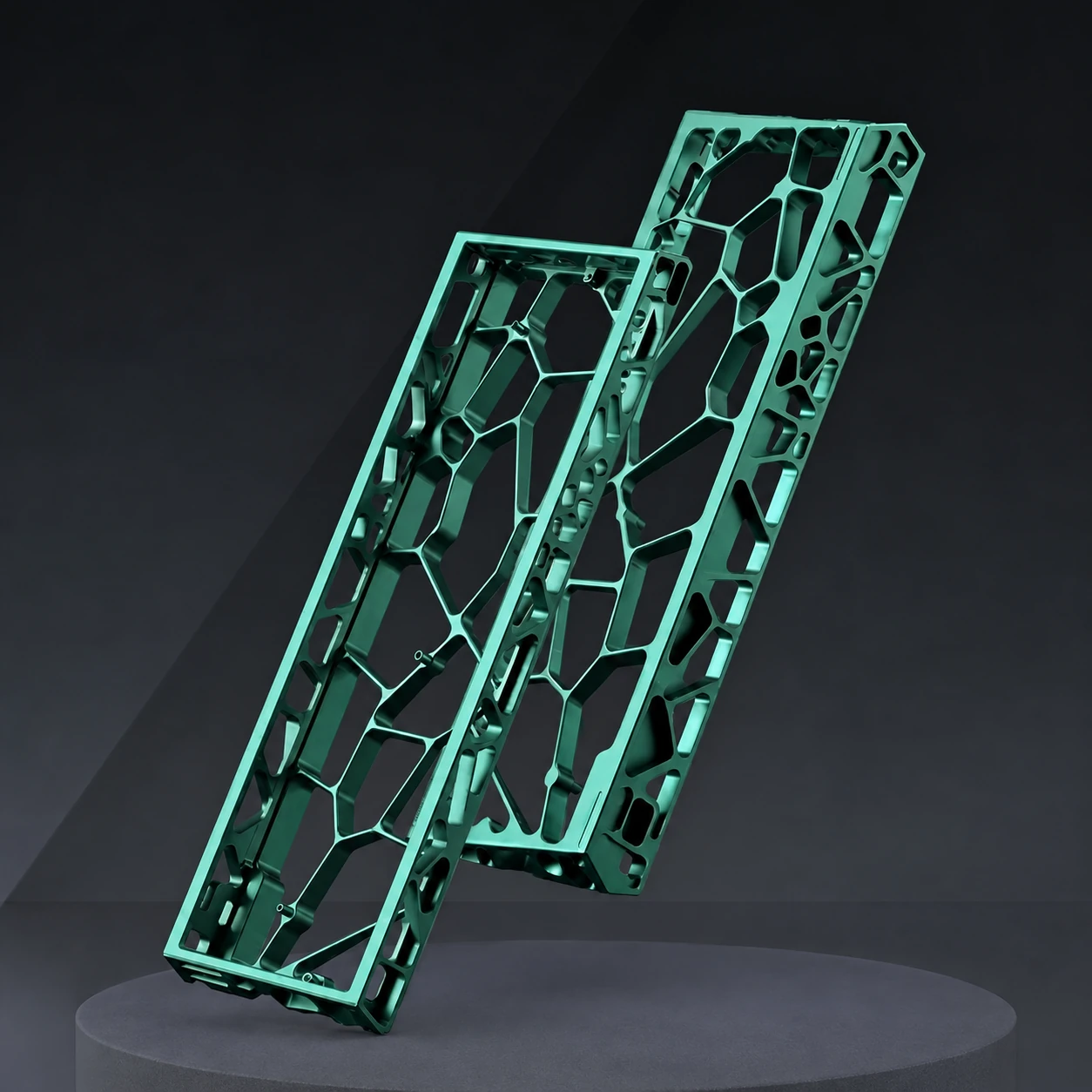
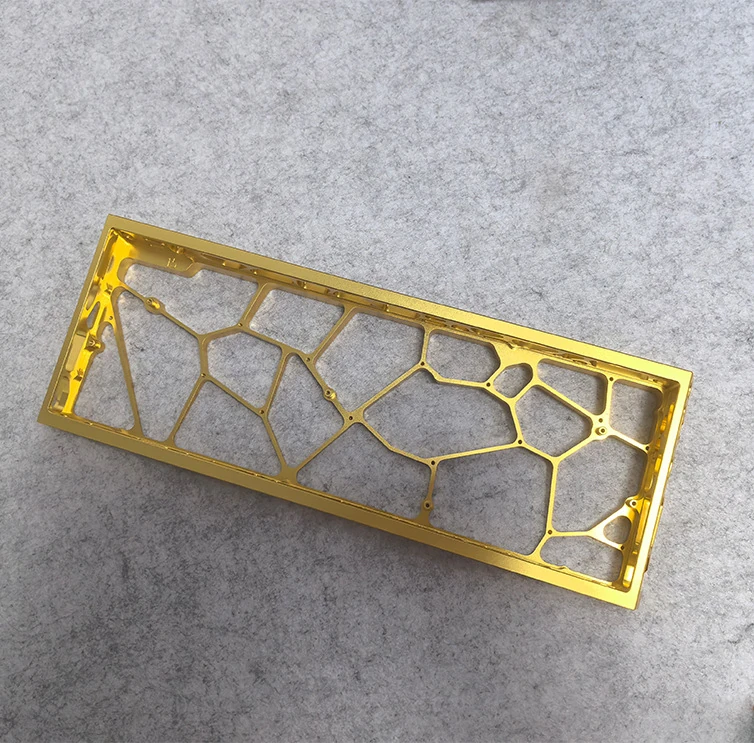
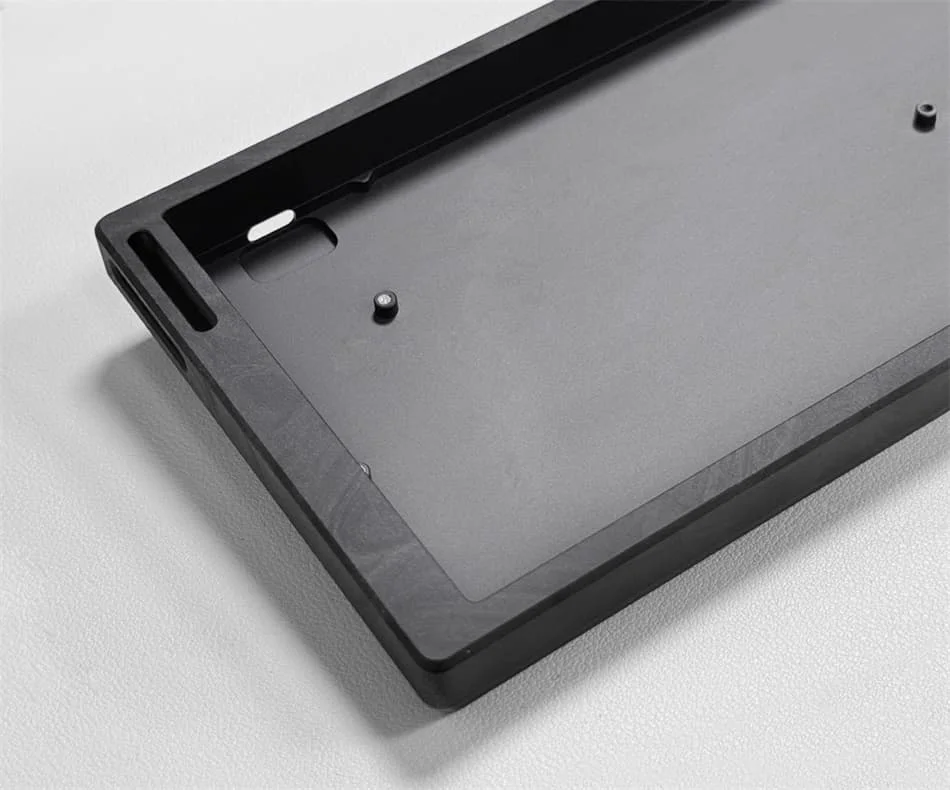
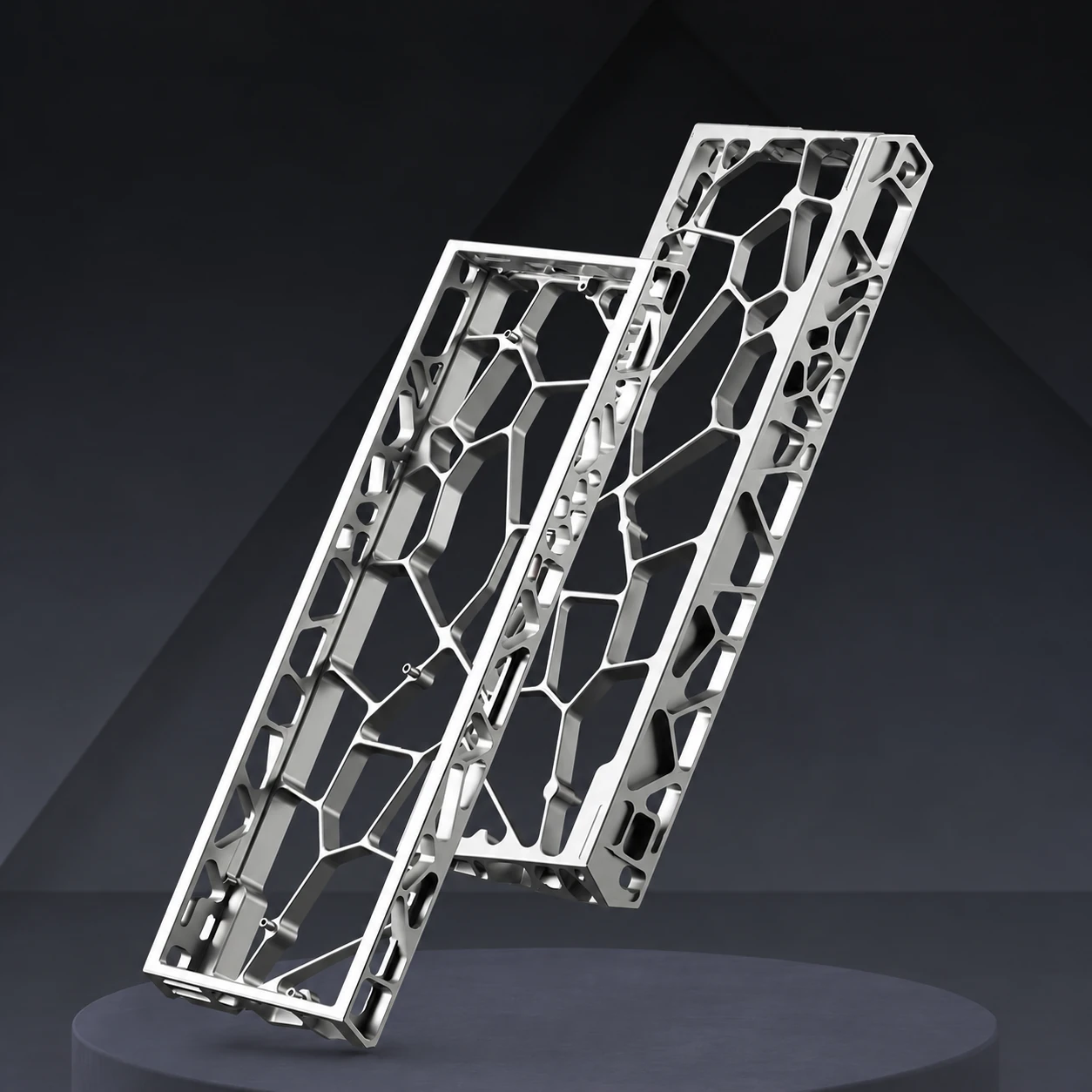
Interior supports and mounting details of an aluminum keyboard enclosure

Geometry and critical fits

Review tool access, cutter radii, thin-wall support and fixture locations with the selected material. Develop mounting datums, gasket seats, USB clearance and weight pockets around the actual PCB and plate.

Critical machined features can target ±0.01–0.02 mm. Specify feature tolerances and flatness separately, with pre-finish and finished-part dimensions identified on the drawing.

Explore aluminum cases ↗
Anodizing + e-coat

Color is one part of the specification. Develop the surface preparation, coating route and fit allowance together.

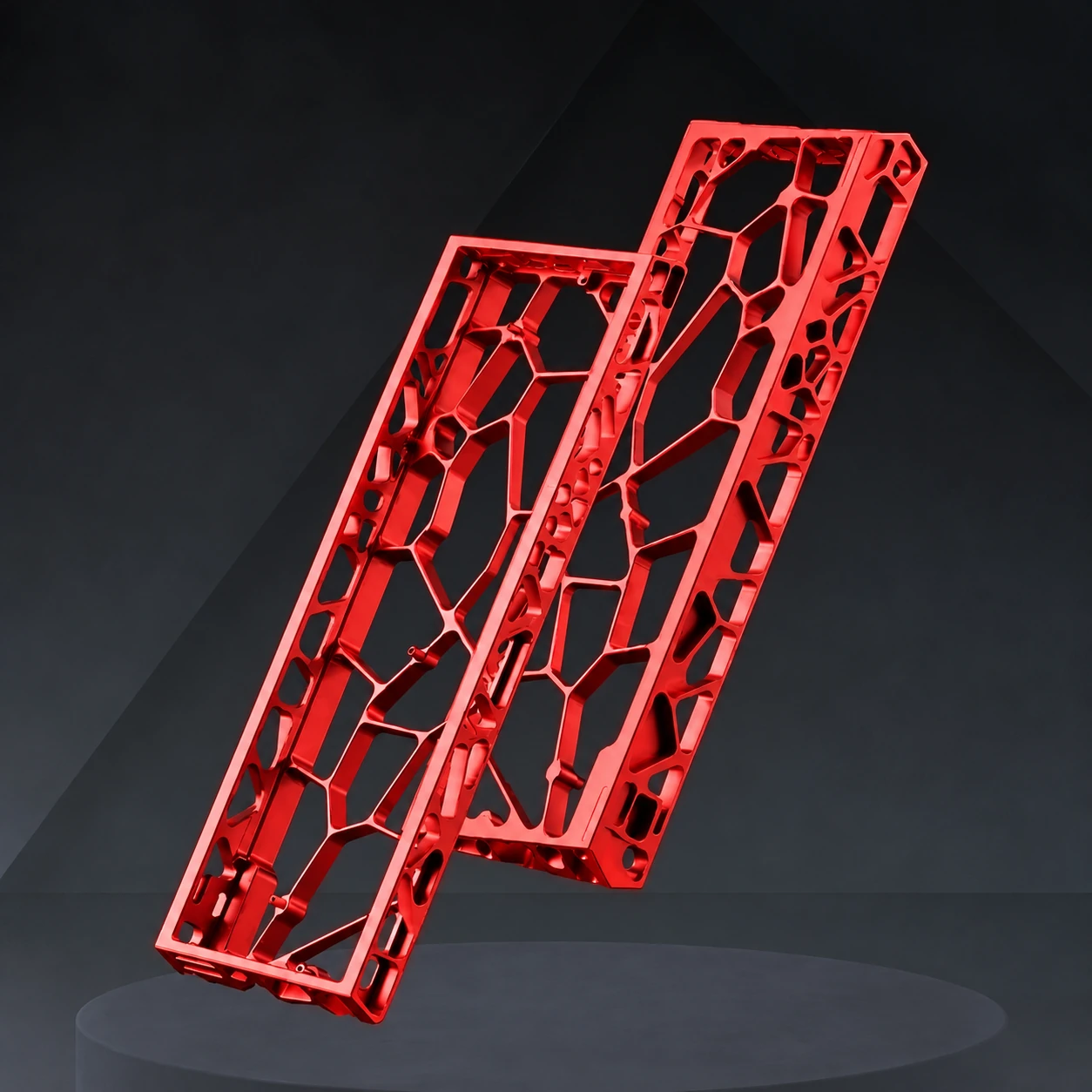
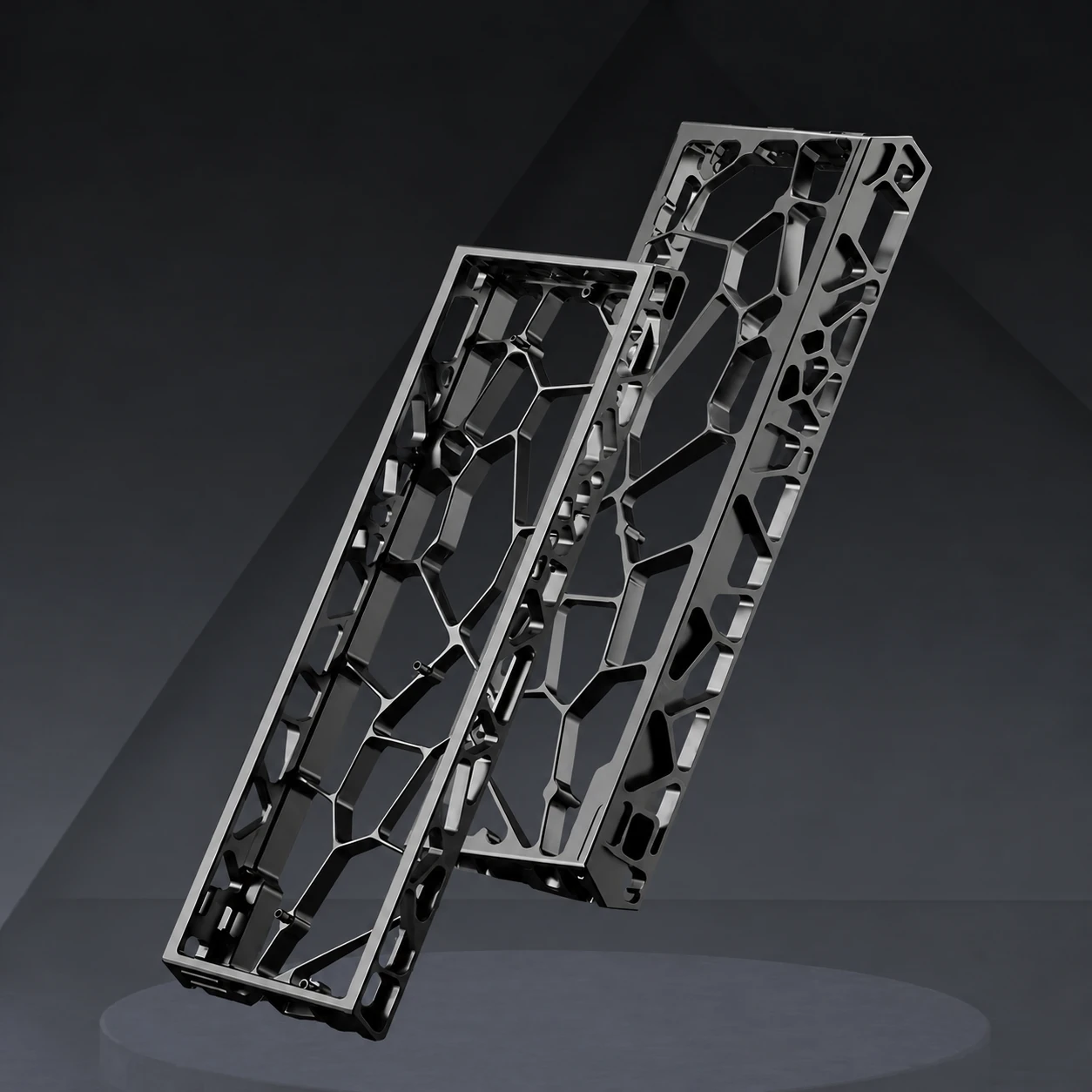
Carbon Black hollow aluminum keyboard cases
Carbon BlackView full photograph ↗

More color possibilities

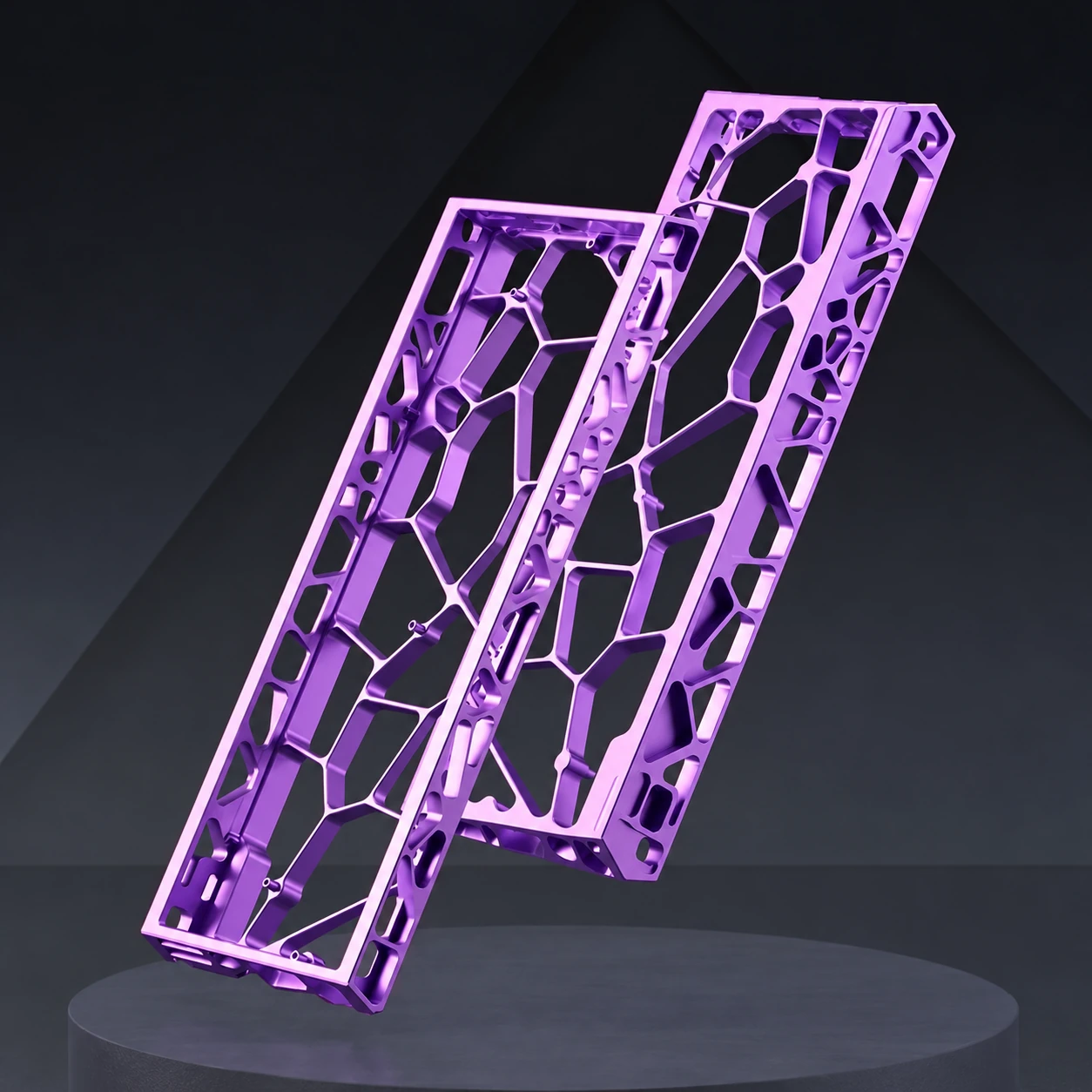
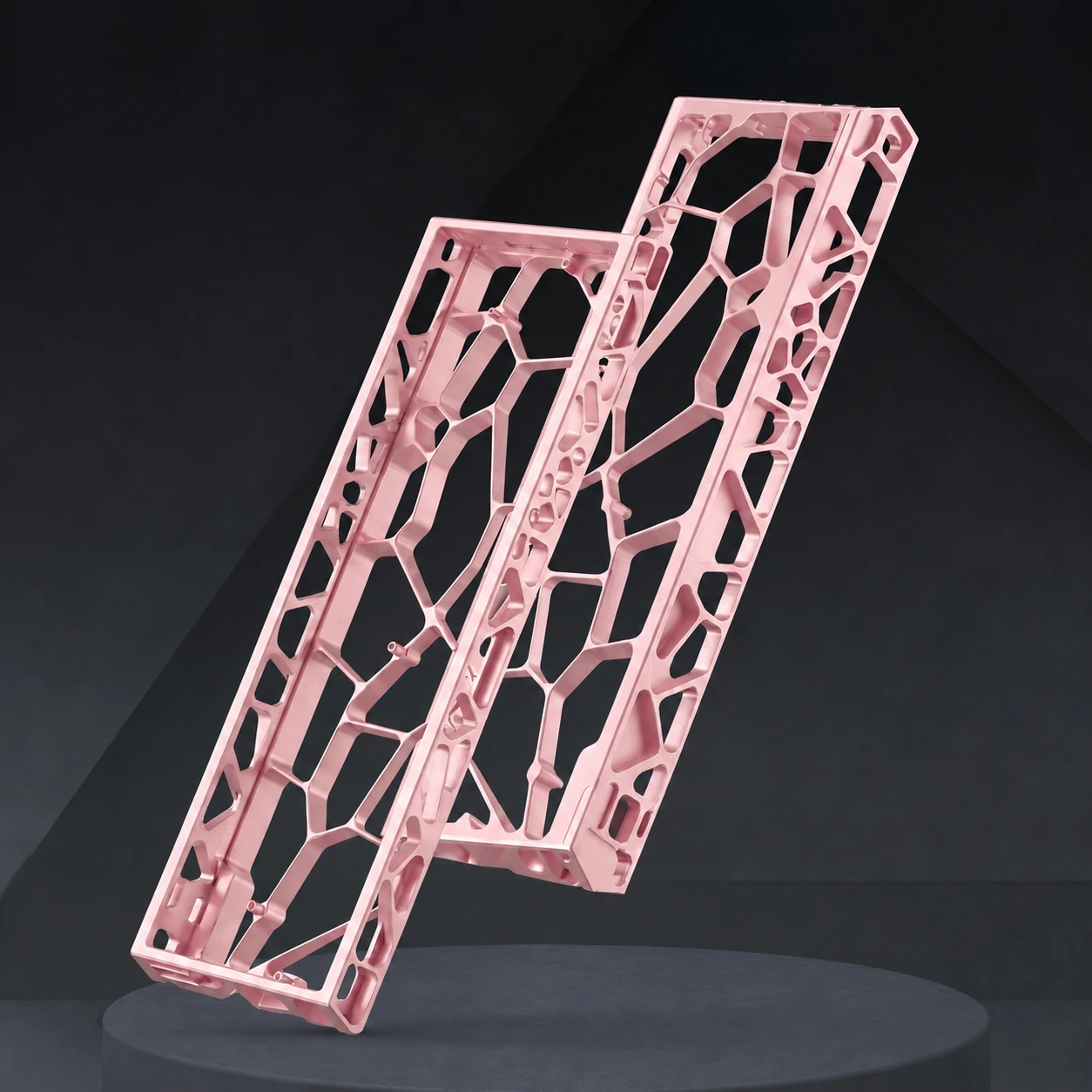
Eight popular references to start from. Other colors can be developed around your project.

Define the coating route for the selected color, then approve shade, gloss and texture against a physical master sample.

Anodized aluminum

Select the aluminum grade, blasting media, color and gloss together. Preparation references include 150-, 180- and 200-mesh glass beads; the physical master establishes the resulting texture.

Define visible faces and concealed contact-mark locations, then approve the sample on the specified alloy.

Electrophoretic coating / e-coat

Anodizing and electrophoretic organic coating can form a combined surface system. Specify the anodic layer, organic topcoat and total coating build separately against the chosen color and appearance reference.

Account for coating build at threaded fits, gasket seats and mating surfaces. Define any masking and electrical-contact areas on the drawing.

Surface preparation
Aluminum grade, blasting media and the required texture.
Coating specification
Selected route, layer build and allowances on the drawing.
Sample approval
Color, gloss, texture, visible faces and acceptable contact marks.

MAO, mirror or colored PVD and textured powder coating are also project directions. Explore materials & finishes ↗

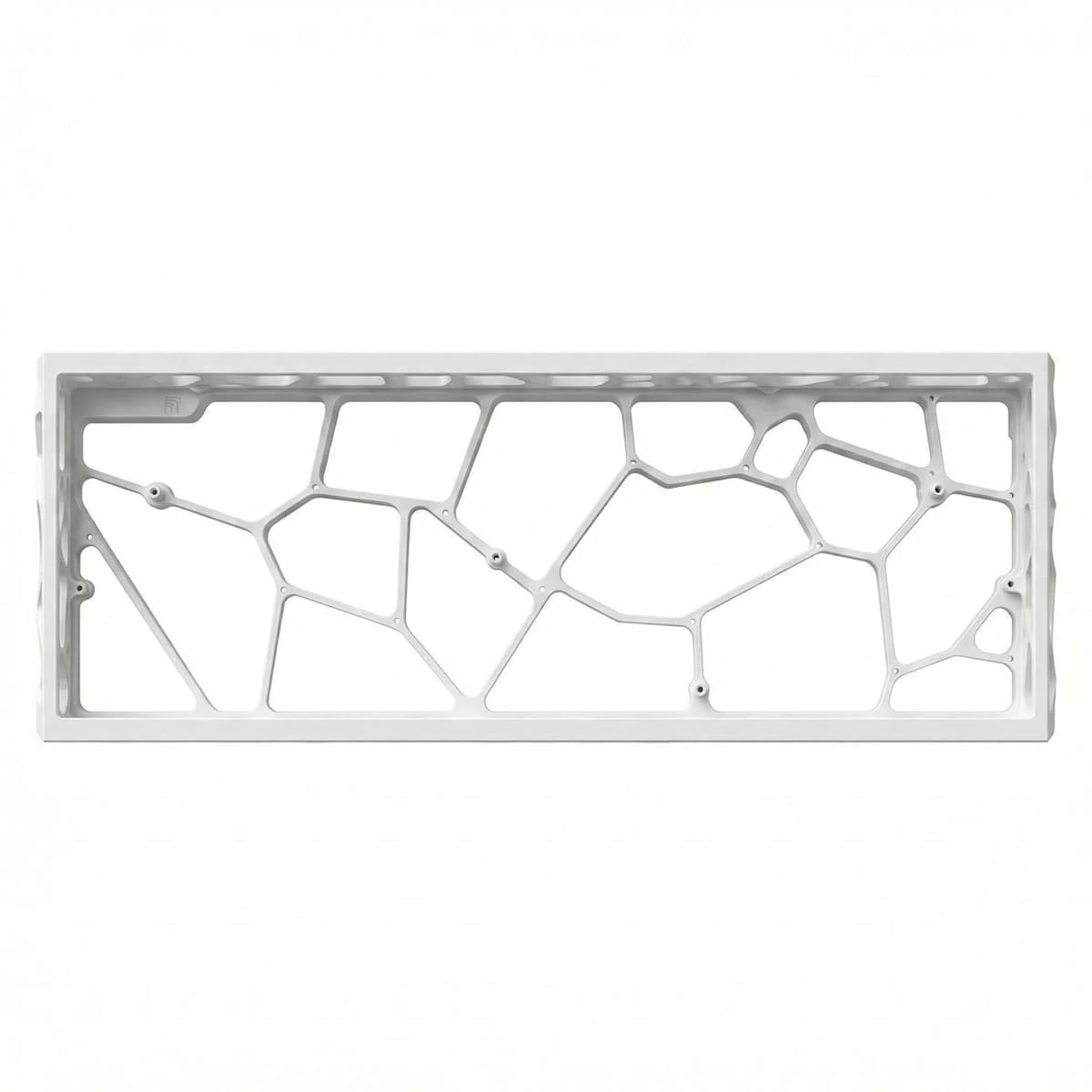
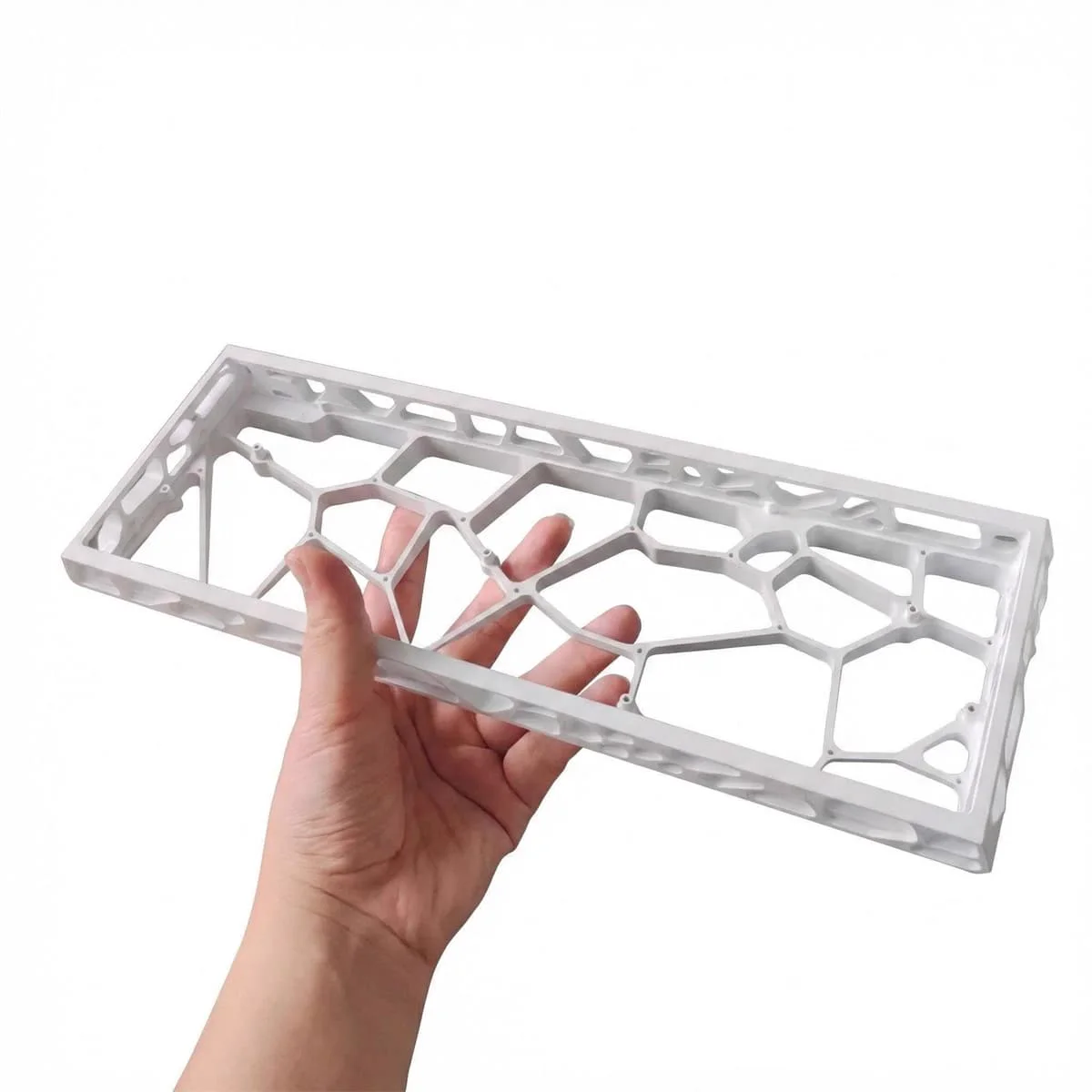
White hollow aluminum case held in a hand showing its size and structure

Mounting feel and acoustics

Compare assembled prototypes with the same PCB, plate, switches, keycaps, gasket and fastening conditions. Review case ring, bottom-out character and local differences across the keyboard.

Internal supports, cavity partitions and damping layers can be evaluated within that build. Retain the approved assembly and its component configuration as the production reference.

Technical questions

Resolve the drawing, finish system and assembly references before production. These are the points we work through with brands and studios.

5-axis CNC
Complex contours and internal mounting features
±0.01–0.02 mm
Critical-feature targets defined in the drawing
MAO & mirror PVD
Surface routes for distinctive metal projects
Discuss a technical detail ↗
What sets the machining tolerance?

Five-axis CNC milling supports curved case geometry, internal ribs, gasket seats and removable weight pockets. Review cutter access, internal radii, thin-wall support and the machining sequence against the selected 6061 or 6063 aluminum design.

Critical machined features can target ±0.01–0.02 mm. Define datums, feature tolerances, flatness and the assembled clearance separately. The drawing also identifies which dimensions apply before finishing and which must hold on the finished part.

Which keyboard platforms do your cases cover?

Our aluminum-case range supports most mainstream keyboard brands and models. These are representative references within a broader range, grouped by the relevant case family.

60% families
Wooting 60 / 60HE+, DZ60 / GH60, Madlions MAD60 / MAD60 Pro, AULA WIN60 series, Gateron GT60 / GT60 Pro, Sayo 61 / 64 and Team Wolf 61.
68-key families
Madlions MAD68 / MAD68 HE and FIRE68 series, MCHOSE Ace68, DrunkDeer G65, KZZI G68SE and ATK 68L / 68 V2 / V3.

Selection follows the exact model, PCB revision, mounting points, plate and USB position. For HE builds, the supported switch family, magnetic orientation and firmware revision are checked during assembled sample review.

Can you develop the gasket and plate interfaces?

Gasket support slots, plate supports, internal ribs and component clearances can be developed around the chosen PCB and plate. Review the complete height stack, including switches, stabilizers, fasteners, gasket compression and damping layers.

The assembled prototype establishes mounting feel and clearance under use. We carry the approved component revisions and interface dimensions into the production specification.

How should the coating system be specified?

Select the substrate and surface preparation first. Anodizing and electrophoretic organic coating can be combined; the anodic layer, organic topcoat and total coating build are specified separately, together with masking and fit allowances.

MAO, also called plasma electrolytic oxidation (PEO), creates a ceramic conversion layer on suitable light alloys. PVD uses a deposited coating system; the substrate, preparatory layers and polishing must suit the selected finish. We develop the route against the actual part and appearance reference.

What defines acceptable color and mirror quality?

Agree visible faces, texture, gloss and the permitted location of anodizing contact marks. The 150-, 180- and 200-mesh glass-bead references describe preparation options; approve the selected media grade and the resulting surface on the specified alloy.

Mirror appearance starts with substrate preparation and polishing. Define the inspection conditions and acceptance limits for scratches, pinholes and other visible defects against a physical master. Coating coverage in recessed features and mating clearances are reviewed with the part geometry.

How are brass and copper weights developed?

Develop the weight, pocket, fastening features and engraving as a matched assembly. Review the target mass, material contrast, edge fit and fastener clearance with the enclosure.

Specify whether the metal should develop a natural patina or retain a protected appearance. Anti-oxidation treatment, polishing and an appropriate decorative coating can be reviewed in the sample, including the concealed contact and mating surfaces.

How do you evaluate typing feel and case resonance?

Compare prototypes with the same PCB, plate, switches, keycaps, gasket and fastening conditions. Internal ribs, cavity partitions, gasket geometry, PORON foam and IXPE pads are variables to evaluate within that assembly.

Review case ring, bottom-out character and differences across the alphanumeric area, function row, corners and stabilized keys. Use the approved assembled sample as the sound and feel reference, with the component configuration recorded for production.

Can lighting and branding be designed into the case?

Laser marking and CNC engraving can be developed with acrylic or PC light-transmitting parts at the side or base. Review light paths, part retention, gaps and artwork placement alongside the metal geometry.

The sample establishes marking contrast on the selected finish, as well as the fit of inserts, accessories and branded packaging.

What is approved before a production batch?

Agree the released drawings, bill of materials, physical finish master and assembled sample. Define the dimensions to inspect, cosmetic acceptance points, relevant functional checks and protective packing for the ordered product.

Changes to the PCB, switch, plate, material or coating route are reviewed against those references. Sampling cost, tooling, quantity by color and production timing are quoted for the selected design and process.

Approve the sample

Approve the assembled product, finish master and packaging together, with the drawing and component revisions recorded.

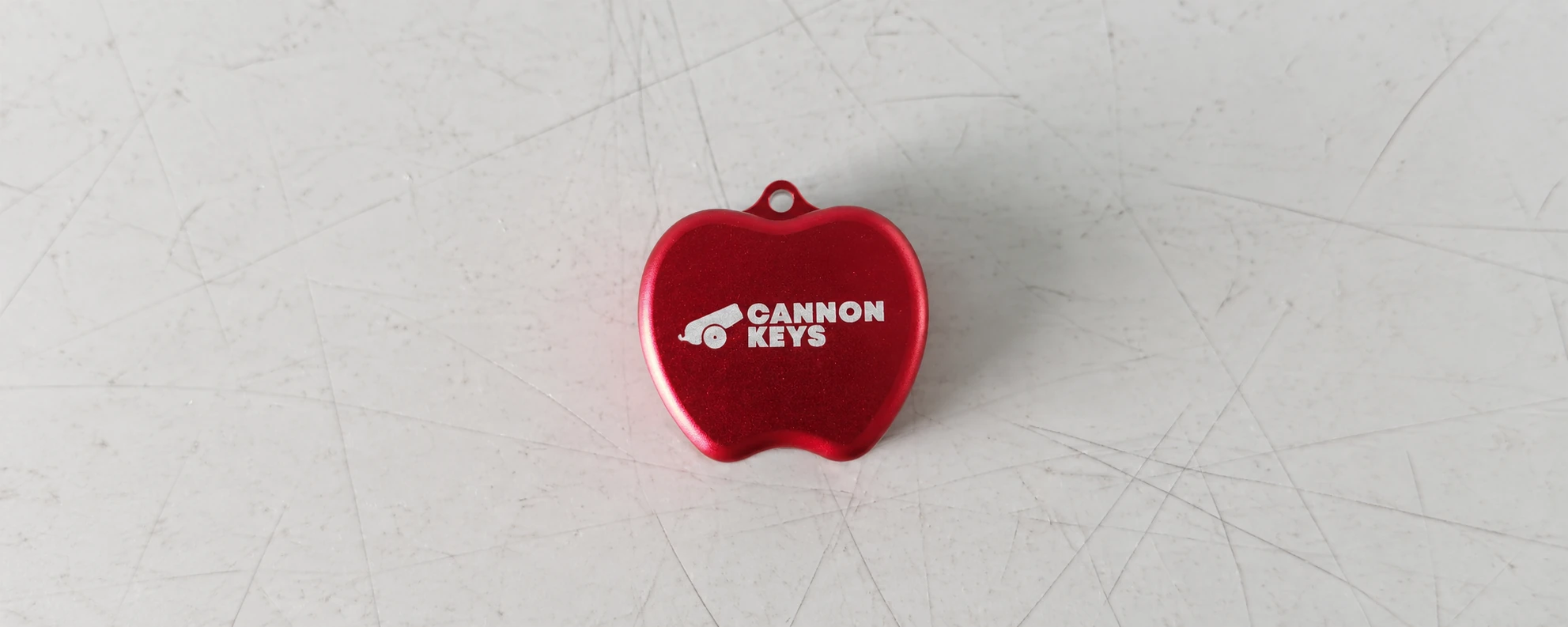
CANNON KEYS laser marking on a red metal switch opener
Product marking on an existing customization project.
Printed kraft cartons for a customer product range
Packaging that follows the product’s identity.

Define the assembly

Share drawings, PCB and plate revisions, the intended finish and target quantity.

Develop the prototype

Resolve the critical fits, manufacturing route and surface preparation in the sample.

Release the reference

Approve the drawing, bill of materials, physical finish master and assembled sample.

Review the batch

Inspect the agreed dimensions, appearance, function and packing against the released references.

What are you making

Have a product in mind? Share an idea, a reference or a question. We’ll take it from there.

* Required.